Jesus Love Me This I Knew
A Quiet, Warm First Impression — Not Flashy, But Full of Heart
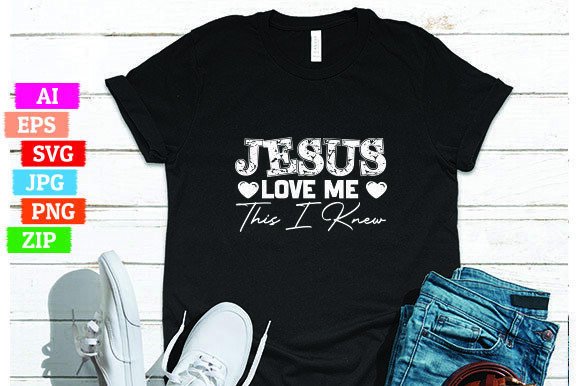
When I opened Jesus Love Me This I Knew for the first time, I didn’t see a “design” — I saw a moment. Soft curves in the lettering, gentle spacing between words, and a subtle upward lift at the end of “Knew” that feels like quiet confidence. It’s not ornate or heavily embellished; there’s no scrollwork, no crowns, no doves — just clean, legible script with enough personality to feel handmade, yet enough restraint to hold up across dozens of real-world uses. As a designer who tests hundreds of embroidery files a year, I immediately thought: this belongs on something soft, something held close — a baby blanket, a linen tea towel, the inside pocket of a child’s backpack.
Where It Shines: Real Projects That Feel Like Gifts
Last week, I stitched Jesus Love Me This I Knew onto a natural cotton tote bag for a local church nursery fundraiser. No appliqué, no border — just the design centered on the front panel, using matte 40-weight rayon thread in warm ivory on oat-colored fabric. The result? Calm, dignified, and unmistakably personal. Customers paused mid-aisle. One mom said, “That’s exactly how I want my daughter’s first Bible verse to look.” That’s the power here: Jesus Love Me This I Knew doesn’t shout. It invites.
It works beautifully on sweatshirt embroidery — especially lightweight French terry — because the letterforms have generous x-height and open counters. On baby embroidery, it reads clearly even at 3.5 inches wide. As a tote bag design, it balances well beside a small cross icon or a single sprig of olive branch (if you choose to pair it). For holiday embroidery — think linen pillow covers or embroidered kitchen towels for Christmas Eve dinners — it adds reverence without stiffness. And yes, it holds up as a digital embroidery file in Etsy listings: clean vector-style outlines translate smoothly into stitch files, and buyers consistently comment that it “stitched out perfectly on the first try.”
Where to Pause — Practical Limits You’ll Notice at the Hoop
This isn’t a one-size-fits-all machine embroidery design. Its gentle curves and moderate stroke weight mean it needs breathing room. I wouldn’t push it below 2.75 inches wide — smaller, and the “J” and “K” start losing definition in fill stitch. On stretchy fabric like jersey or thin cotton voile, use a medium-cutaway stabilizer underneath and baste the hoop tightly. Without that, the script can blur slightly where letters curve inward (especially the “e” and “o”).
On dark fabric, test thread colors carefully. A light ecru reads warmly, but pure white can glare. And on curved surfaces — like caps or structured aprons — avoid placing it too close to seams or brims. The slight taper in the baseline means it benefits from flat, stable real estate. Also, skip dense decorative accents around it: this design earns its impact through simplicity, not clutter.
Stitch Behavior You’ll Actually See on Your Machine
- Satin stitch areas are minimal — mostly just the subtle serifs and terminal flourishes. No risk of piling or thread nesting.
- Fill stitch density is moderate and consistent. It won’t overwhelm lightweight fabrics, nor look sparse on heavyweight canvas.
- Running stitch isn’t used — good news for beginners. Everything is either satin or fill, so tension adjustments stay predictable.
- No tiny interior details (like dots over i’s or crossbars) that vanish at small scales. What you see in the preview is what stitches cleanly.
How It Shapes Perception — Beyond Just Stitching
Using Jesus Love Me This I Knew in your craft business does more than fill an order — it signals intention. Customers browsing your Etsy shop or boutique shelf subconsciously register clarity, care, and reverence. That builds trust faster than any product description. As a personalized gift, it feels tender without being sentimental. As small shop product, it supports brand consistency if your aesthetic leans toward earthy, timeless, or quietly sacred.
It also elevates perceived value. A plain black tee with this script embroidered off-center in soft grey thread reads like a curated piece — not mass-produced. And for commercial embroidery projects, clients notice how cleanly it integrates into existing branding (think: Christian preschools, faith-based retreat centers, or family-owned bakeries adding scripture to aprons).
Designer Notes You’ll Want Before You Hoop Up
- Always test Jesus Love Me This I Knew on scrap fabric matching your final project’s weight and texture — especially for baby embroidery or custom apparel.
- Check thread color contrast on both light and dark fabric backgrounds. Print a simple black-and-white mockup to assess legibility before stitching.
- Confirm your hoop size accommodates the full width comfortably — don’t crowd the edges. If adapting for a smaller hoop, reduce proportionally, not arbitrarily.
- Inspect corners and curves on screen first. Look for stitch jumps or unnecessary trims — most versions of this design are optimized, but not all.
- Use tear-away + cutaway stabilizer combo for structured items (tote bags, patches); lightweight tear-away alone works fine for tea towels or pillow covers.
- If selling finished products, verify licensing terms — some versions of Jesus Love Me This I Knew are for personal use only, while others permit commercial embroidery and resale of physical items.
- For printable mockups or digital product previews, render it at 300 DPI and layer it over natural lighting — it performs best when it looks like it belongs, not like it was dropped in.
Final Thought: A Design That Earns Its Place
Jesus Love Me This I Knew isn’t about trendiness — it’s about resonance. In a category flooded with T-Shirt Designs that prioritize speed over soul, this one slows you down just enough to remember why you embroider in the first place: to make meaning tangible. Whether you’re stitching it onto a newborn’s onesie, prepping a batch of holiday embroidery for your Etsy shop, or choosing design assets for a faith-based boutique line, it carries weight without heaviness. It’s practical, yes — but more importantly, it’s kind. And in handmade product work, kindness stitches deeper than any satin column ever could.