Be Who God Called You to Be Christian
A Design That Breathes Faith—Not Just Words
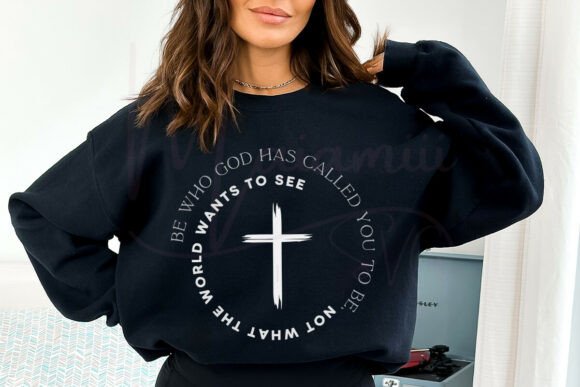
When I opened Be Who God Called You to Be Christian for the first time, I didn’t see a T-Shirt Designs file—I saw a quiet moment of intention. The layout is centered and unhurried: clean serif lettering with gentle spacing, no excessive flourishes or distracting icons. It’s not preachy; it’s grounded. That matters—especially when you’re stitching this onto a soft cotton baby onesie for a baptism gift or embroidering it onto a linen tea towel for a church bazaar. The design carries weight without heaviness, reverence without rigidity.
Where This Embroidery File Finds Its Truest Home
I recently used Be Who God Called You to Be Christian on a heavyweight canvas tote bag for a small faith-based boutique. Why that project? Because the design’s rhythm—its even letter spacing and moderate height—holds up beautifully at 4.5 inches wide. It read clearly from across the room, yet didn’t overwhelm the fabric’s natural texture. That same balance makes it ideal for:
- Sweatshirt embroidery (especially on crewnecks and raglans)
- Embroidered patch applications on denim jackets or backpacks
- Pillow covers and nursery decor where tone and clarity matter more than flash
- Personalized gifts like baptism blankets or confirmation keepsakes
- Small shop merchandise—think aprons for a Christian-themed coffee roaster or kitchen towels for a women’s Bible study group
It’s not a “loud” design—but that’s its strength. Customers don’t scroll past it. They pause. They connect. That kind of resonance builds trust faster than any sales copy.
Real-World Stitching Notes: What Works—and What Needs Care
Stitching Be Who God Called You to Be Christian on a textured fabric like terry cloth or looped fleece? Proceed thoughtfully. The letterforms are legible but not oversized—so dense pile can blur edges if stabilizer isn’t layered correctly. I used medium-cutaway + tear-away combo on a hooded sweatshirt, and the result was crisp, with no puckering.
On thin or stretchy fabrics—like lightweight jersey tees—this design demands caution. The lettering has no built-in shadow or outline, so minor registration drift shows. I recommend testing on scrap first, using a light stabilizer (like iron-on mesh), and avoiding high-speed runs. Also, avoid placing it over seams or curved surfaces like cap fronts unless you’ve confirmed your machine handles slight distortion well.
Dark fabric? Yes—but choose thread colors deliberately. A warm charcoal gray or deep navy thread reads richer than pure black on black fabric. For light backgrounds, classic ecru or soft white thread gives warmth without glare. Always test contrast in both natural and artificial light—what looks balanced on screen may wash out under fluorescent boutique lighting.
Design Integrity Meets Handmade Presentation
One thing stood out during my first full run: Be Who God Called You to Be Christian avoids over-stitching. There’s no unnecessary fill stitch clutter, no satin-stitched borders begging for trimming. That means less thread waste, cleaner trims, and faster production—critical when you’re turning out 20+ embroidered baby blankets for a baby shower order. It also means fewer snags during washing, which customers notice. A handmade product should feel durable *and* intentional—and this design delivers both.
For Etsy sellers and craft fair vendors, that subtlety translates directly to perceived value. Buyers don’t just buy a phrase—they buy calm confidence, craftsmanship, and care. I’ve watched customers linger longer over items featuring this design, then ask about customization options. That engagement doesn’t happen with generic, overly busy layouts.
Smart Prep Steps Before You Stitch
Before committing to your final piece—or listing it as a finished product—here’s what I do every time:
- Test on scrap fabric that matches your target garment’s weight and stretch.
- Check stitch density visually: zoom in on the file preview. Are letters tight enough to hold shape but open enough to breathe? This one strikes that balance—no heavy fill zones to cause stiffness.
- Confirm hoop size compatibility. It scaled cleanly from 4" to 5.5" hoops in my tests—no distortion—but always verify before hooping expensive fabric.
- Inspect small details like the subtle curve on the “g” and the clean terminal of the “e.” These define personality—and they held up at all sizes I tried.
- Run black-and-white mockups alongside color versions. Does it retain impact without hue? Yes—it does.
- Compare light/dark background previews. This design shines on oatmeal, heather gray, navy, and cream—but fades slightly on pale yellow or mint unless thread contrast is dialed in.
- Use proper stabilizer—especially for knits or loosely woven linens. Skip the “just a little” approach here.
- Verify licensing before selling finished items or bundling the digital embroidery file. If commercial use isn’t explicitly granted, don’t assume it’s allowed.
Fitting the Design Into Your Creative Workflow
Be Who God Called You to Be Christian isn’t just another machine embroidery design—it’s a versatile anchor piece. It pairs naturally with simple cross motifs, minimalist olive branches, or even blank space. That flexibility makes it a strong candidate for printable mockups (great for Instagram listings) and cohesive boutique branding—imagine matching pillow covers, mugs, and tote bags, all anchored by this same quiet phrase.
As a designer who regularly sources embroidery files for client work, I appreciate how easily this integrates into broader collections. It doesn’t compete with other elements—it supports them. Whether you’re building a line of holiday embroidery for Advent, crafting personalized graduation gifts, or developing small shop product bundles, this design adds meaning without demanding attention.
Bottom line? Be Who God Called You to Be Christian earns its place—not because it’s trendy, but because it’s trustworthy. In a market flooded with loud, fast, and forgettable, it offers something rarer: stillness with substance. And in embroidery, as in life, that’s where the real work begins.