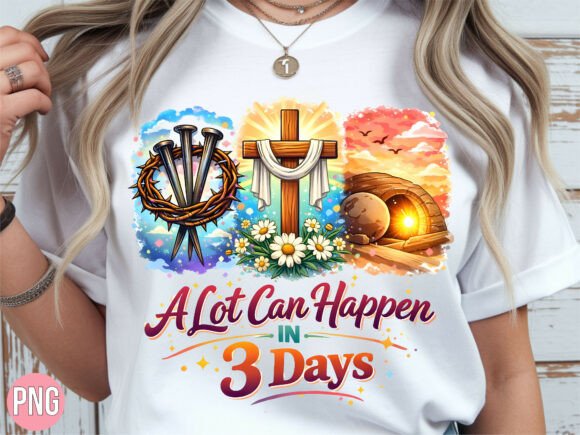
A Lot Can Happen in Three Days Christian T-Shirt Designs
First Impression: Warm, Hopeful, and Quietly Confident
When I opened A Lot Can Happen in Three Days Christian, my immediate sense was of grounded optimism—like sunlight through a bakery window at 7 a.m., or the quiet pause before a candle is lit in a small apothecary. It’s not flashy or loud; instead, it carries gentle reverence and narrative warmth. The design suggests a brand personality that’s sincere, community-rooted, and emotionally intelligent—not preachy, but purposeful. For a local business like a faith-aligned coffee shop in Asheville, a handmade soap line in Nashville, or a seasonal floral studio in Portland, this graphic design asset reads as organic, approachable, and quietly premium. It leans into soft modern design without sacrificing meaning—ideal for brands that value authenticity over trend-chasing.
Where This Asset Earns Its Keep in Real Local Business Branding
A Lot Can Happen in Three Days Christian isn’t just a decorative flourish—it’s a flexible anchor for cohesive small business branding. In packaging design, it works beautifully as a secondary brand element on kraft paper soap boxes, sticker seals on mason jar candles, or foil-stamped accents on bakery bags. On product labels, it adds narrative depth without crowding ingredient lists—especially when placed near a hand-drawn border or paired with a clean sans serif font. As part of a broader brand identity, it supports logo design by offering a complementary visual motif: think of it beside a custom wordmark on thank-you cards, hang tags for boutique apparel, or printable inserts tucked inside subscription boxes.
For social media graphics, it elevates storytelling—used as a hero graphic behind a “Behind the Batch” Instagram carousel, or as a subtle watermark on Reels promoting a Lenten candle collection. In editorial design for local newsletters or seasonal flyers, it reinforces thematic consistency across touchpoints. And because it scales well, it holds up in both web design banners and physical signage—whether printed on a chalkboard menu at a faith-based café or resized for a 4×6 postcard mailed to neighborhood residents.
Why It Strengthens Customer Trust and Shelf Appeal
Small business owners know: customers choose people before products. A Lot Can Happen in Three Days Christian helps signal intentionality. When used thoughtfully in packaging design, it contributes to stronger first impressions—telling shoppers this isn’t mass-produced, but made with care and clarity of mission. That translates directly to better product recognition on crowded shelves, especially in indie retail environments where emotional resonance matters more than bold claims. It improves visual hierarchy by guiding the eye toward key messages (e.g., “Small-Batch • Made Locally • Inspired Daily”) without competing for attention. And because its tone aligns with values-driven buying behavior, it builds customer trust faster—particularly among audiences seeking alignment between product, purpose, and presentation.
Best Places to Deploy This Graphic Design Asset
- Product labels for candles, teas, or wellness tonics—especially when paired with botanical illustrations
- Packaging accents: belly bands, sticker seals, ribbon wraps, and box liners
- Hero graphics for seasonal campaigns (Easter, Advent, spring renewal themes)
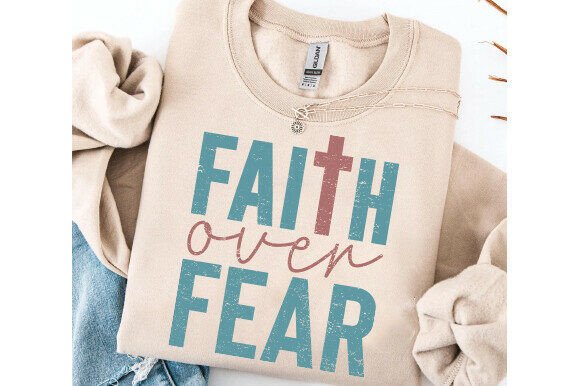
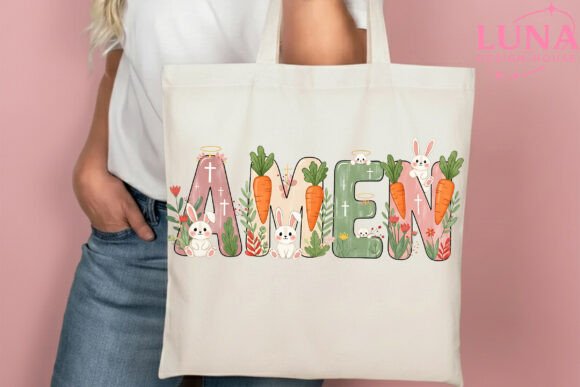
- Decorative brand elements on thank-you cards, tote bags, and reusable shopping sacks
- Social media campaign visuals—Reels thumbnails, Pinterest pins, and email headers
- Printable design assets for local church co-branded pop-ups or neighborhood markets
Where to Use It Thoughtfully—or Avoid Altogether
This design shines brightest when breathing room exists. It should be used carefully—or avoided—in formal corporate branding, legal-heavy food labels, or ingredient-dense layouts where clarity trumps atmosphere. Don’t force it onto very small labels (under 1.5 inches wide), low-contrast backgrounds (e.g., light gray text on off-white kraft), or luxury minimalist brands that rely on negative space and restraint. If your packaging already features dense typography, intricate patterns, or multiple illustrations, A Lot Can Happen in Three Days Christian may dilute rather than enhance—so test it alongside your full layout before finalizing.
Practical Brand Designer Notes You’ll Actually Use
Before locking this into your client’s brand system, run these checks: preview it on real packaging mockups—not just digital previews—but actual folded boxes and label die-cuts. Test how it renders in black and white for stamping or embossing. Resize it down to 0.75 inches to confirm legibility on tiny hang tags. Layer it over your brand’s primary color palette to verify contrast and harmony. Compare it side-by-side with competitor packaging: does it stand out while still feeling familiar? Check print quality at 300 DPI—especially if ordering screen-printed t-shirts or foil-stamped boxes. Review the PNG transparency (no stray pixels or halos) and confirm SVG/vector editability if you plan to adapt shapes or adjust stroke weight. Test it beside serif fonts (for elegance), sans serifs (for modern clarity), script fonts (for handmade warmth), and display fonts (for campaign energy). And always—always—verify commercial licensing covers physical product sales, resale, and client work. This isn’t clipart for hobbyists; it’s a professional branding tool for real local business growth.
More Than a T-Shirt Design—It’s a Brand Voice Amplifier
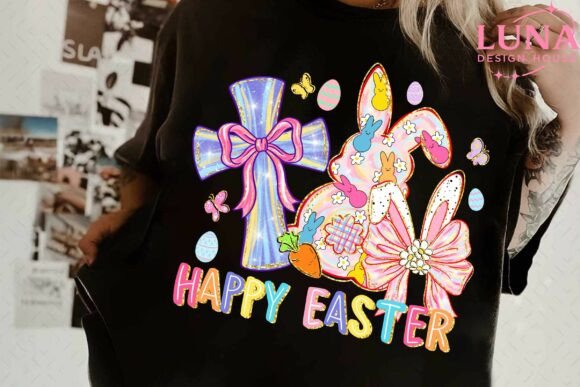
Yes, A Lot Can Happen in Three Days Christian began as a T-Shirt Designs concept—but in practice, it functions as a narrative amplifier for small business branding. Whether applied to a candle brand’s holiday campaign, a bakery’s Easter special packaging, or a children’s product line celebrating patience and growth, it adds emotional texture without sacrificing professionalism. For handmade businesses and creative entrepreneurs, it bridges spiritual resonance with everyday relevance—making faith feel accessible, not abstract. In an era where consumers seek meaning alongside merchandise, this graphic design asset doesn’t just decorate—it communicates, connects, and endures.